Get Basement Stabilization in Tulsa, OK
Basement stabilization services help Tulsa homeowners fix foundation cracks, uneven floors, and shifting walls caused by soil movement or water issues.
Basement stabilization is an important consideration for property owners in Tulsa, OK who are experiencing issues such as uneven floors, foundation cracks, or shifting walls. Addressing these concerns early can help maintain the structural integrity of a home or commercial building, prevent further damage, and improve safety. For those planning renovation or repair projects, exploring options for basement stabilization involves comparing local contractors who specialize in foundation support and soil stabilization techniques. Finding the right service provider ensures the work is performed effectively and with attention to the unique conditions found in Tulsa-area properties.
Visitors exploring basement stabilization services are encouraged to continue reviewing their options and consider how local contractors can meet specific needs. Whether dealing with ongoing settlement or preparing a property for future use, connecting with experienced service providers can help develop a practical approach to stabilization. By comparing local options, property owners can identify solutions tailored to their property’s requirements and ensure the stability of their basement for years to come.
- Basement Stabilization - needed when uneven floors or wall cracks develop due to shifting soil or foundation movement.
- Foundation Underpinning - required if the foundation shows signs of settling or sinking in neighborhoods like South Tulsa or Jenks.
- Soil Injection and Piering - used to lift and stabilize a basement that has begun to sag or bow inward.
- Crack Repair and Wall Reinforcement - necessary when cracks appear in basement walls from soil pressure or water intrusion.
- Drainage and Water Management - essential for preventing further basement damage caused by excess moisture or poor drainage around the property.
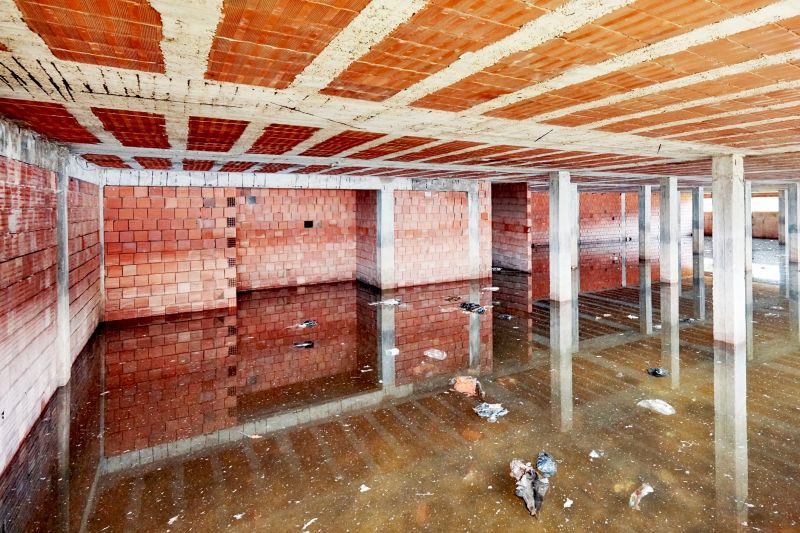
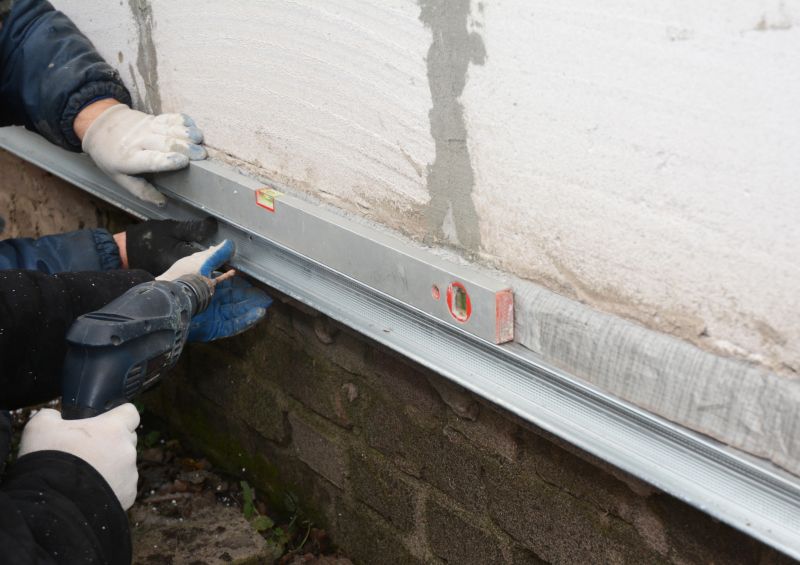
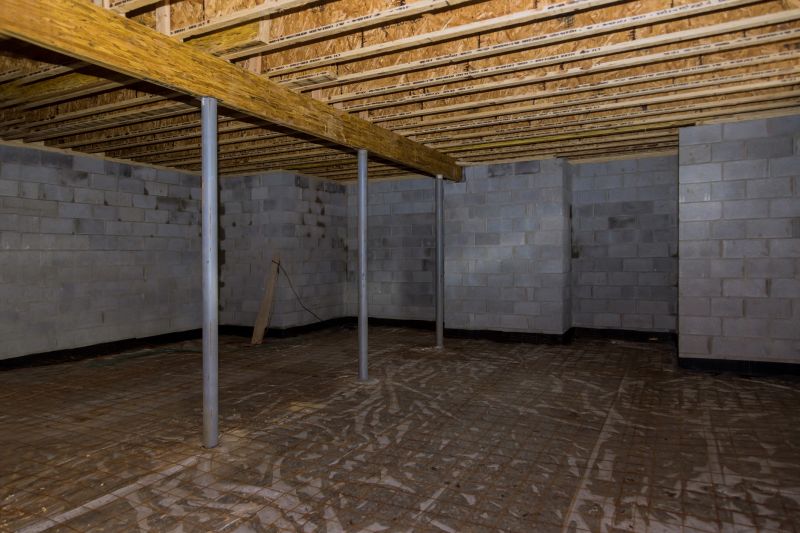
Basement stabilization services involve reinforcing and supporting the foundation and walls of a basement to prevent or correct shifting, settling, and structural damage. This process typically includes installing specialized supports, underpinning, or wall braces to ensure the stability of the space. By addressing underlying issues that cause movement or deterioration, these services help maintain the integrity of the entire property and prevent further damage that could lead to costly repairs.
Many common problems signal the need for basement stabilization. These include noticeable cracks in basement walls or floors, doors and windows that no longer open or close properly, uneven or sloping floors, and persistent water leaks or seepage. Such issues often result from soil movement, poor drainage, or shifting foundations. When these symptoms appear, enlisting the help of experienced contractors can help identify the root cause and determine the most effective stabilization solutions.
Properties that typically benefit from basement stabilization range from older homes experiencing foundation settling to newer constructions that show signs of shifting. Commercial buildings, rental properties, and residential homes in areas with expansive clay soils or frequent moisture changes are also common candidates. In regions like Tulsa, OK, where soil conditions can fluctuate, having a professional assessment can help homeowners and property managers protect their investments by preventing further structural problems.
Understanding when to seek basement stabilization services is key to avoiding more serious issues down the line. If cracks appear or walls bow inward, or if there’s noticeable unevenness in the floors, these are signs that stabilization work may be necessary. Local contractors who specialize in foundation and basement support can evaluate the property’s condition, recommend appropriate solutions, and help restore stability. Connecting with experienced service providers can ensure that problems are addressed promptly and effectively, helping to preserve the safety and value of the property.
The overview below groups typical Basement Stabilization projects into broad ranges so you can see how smaller, mid-sized, and larger jobs often compare in Tulsa, OK.
In many markets, a large share of routine jobs stays in the lower and middle ranges, while only a smaller percentage of projects moves into the highest bands when the work is more complex or site conditions are harder than average.
Smaller Repairs - Basic stabilization work for minor cracks or settling issues typically ranges from $250-$600. Many routine jobs fall within this middle range, depending on the extent of the damage and the materials needed.
Moderate Projects - More extensive stabilization involving additional reinforcement or addressing larger cracks can cost between $1,000-$3,000. These projects are common when homeowners seek to prevent further shifting or damage.
Major Repairs - Significant stabilization efforts, such as underpinning or foundation reinforcement, often range from $3,500-$8,000. Fewer projects reach the higher end of this spectrum, which is reserved for complex or older structures.
Full Basement Stabilization - Complete stabilization of an entire basement may cost $10,000 or more, especially in cases requiring extensive underpinning or foundation replacement. Local contractors can provide estimates based on the specific scope of work involved.
Actual totals will depend on details like access to the work area, the scope of the project, and the materials selected, so use these as general starting points rather than exact figures.
Foundation Repair - local contractors skilled in foundation repair often use similar assessment, planning, and stabilization techniques as basement stabilization projects.
Slab Jacking and Mudjacking - these services involve lifting and leveling concrete slabs, requiring expertise in soil stabilization and the use of specialized tools.
Structural Reinforcement - professionals who reinforce load-bearing walls and beams utilize planning and stabilization skills comparable to those used in basement stabilization.
Drainage System Installation - installing proper drainage helps prevent basement issues and involves planning and soil management skills similar to stabilization efforts.
Crawl Space Repair - fixing and stabilizing crawl spaces shares techniques related to soil stabilization and moisture control used in basement stabilization.
Retaining Wall Construction - building retaining walls requires understanding soil support and stabilization, aligning with the skills needed for basement stabilization projects.
When evaluating potential contractors for basement stabilization, it’s important to consider their experience with similar projects. Homeowners should look for local service providers who have a proven track record of successfully handling basement stabilization or foundation repair jobs in the Tulsa area. An experienced contractor will be familiar with common issues specific to the region and can bring practical solutions that have worked on comparable properties. Asking about past projects or requesting references can help gauge whether a contractor’s expertise aligns with the specific needs of the home.
Clear, written expectations are essential to ensure both parties are aligned on the scope and details of the work. Homeowners should seek service providers who offer detailed proposals or written estimates that outline the work to be performed, materials to be used, and any relevant project milestones. Having this information in writing helps prevent misunderstandings and provides a reference point throughout the project. It’s also beneficial to clarify what the contractor’s responsibilities are and what the homeowner’s role might be, fostering transparency from the start.
Reputable references and effective communication are key indicators of a trustworthy contractor. Homeowners are encouraged to ask potential service providers for references from previous clients, particularly those with similar basement stabilization needs. Listening to feedback from past customers can reveal insights into the contractor’s professionalism, reliability, and quality of work. Additionally, good communication-responding promptly to questions, providing clear explanations, and maintaining transparency-can make the process smoother and more predictable. These qualities help ensure that the project progresses as planned and that any concerns are addressed promptly.
Property owners in Tulsa, OK use Basement Stabilization services for practical projects around their homes and businesses. This guide focuses on everyday jobs and straightforward project options.
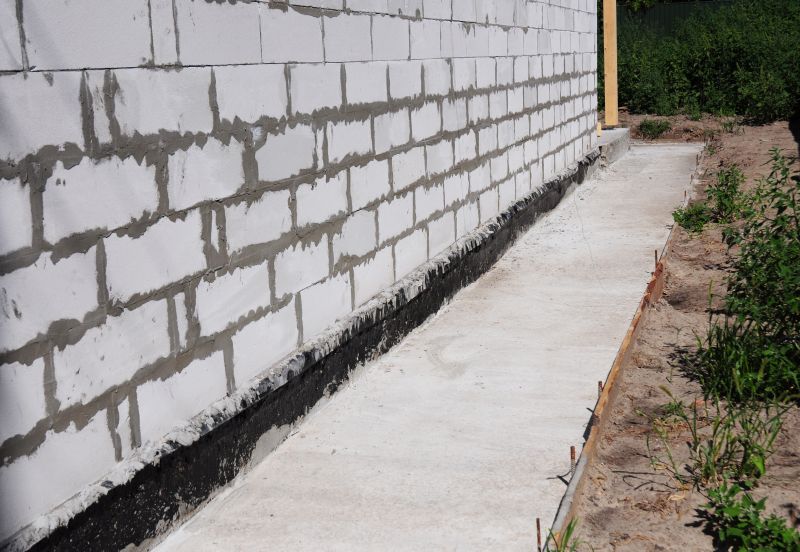
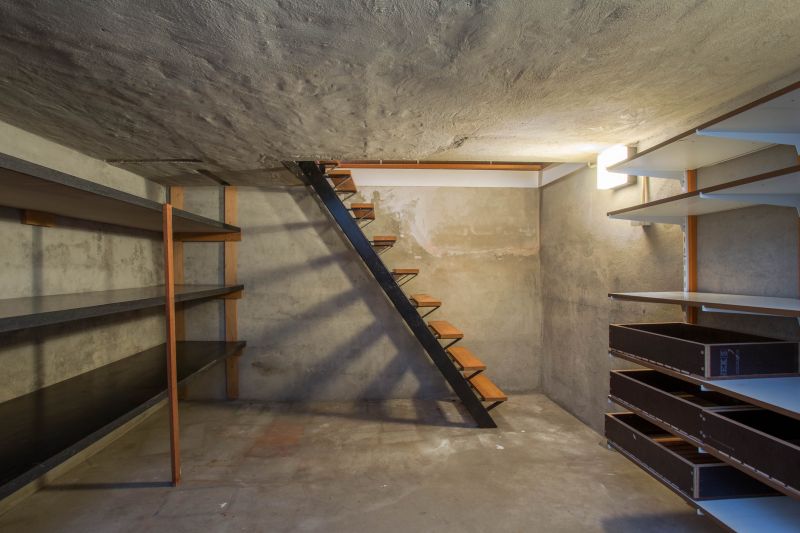
Basement stabilization services are often needed when property owners in Tulsa notice uneven floors, cracks appearing in walls, or doors and windows that no longer close properly. These issues can be caused by shifting soil or settling foundations, which are common in areas with expansive clay soil. When such signs emerge, local contractors experienced in basement stabilization can assess the situation and recommend solutions to help maintain the stability and safety of the property.
Homeowners in Tulsa might seek basement stabilization work after experiencing recent construction, heavy rainfall, or changes in the land around their property. These circumstances can contribute to foundation movement or soil shifting, leading to potential structural concerns. Local service providers can offer expertise in reinforcing and stabilizing basements, helping property owners protect their investments and ensure the long-term integrity of their homes.
What is basement stabilization? Basement stabilization involves techniques to reinforce and support a foundation that has shifted or settled, helping to prevent further damage and maintain structural integrity.
How do local contractors stabilize a basement? They typically assess the foundation, then use methods like underpinning, piering, or soil injection to stabilize and lift the basement floor.
What signs indicate the need for basement stabilization? Signs include cracks in walls or floors, uneven flooring, doors or windows that stick, or visible settling or shifting of the foundation.
Are there different methods for basement stabilization? Yes, options include underpinning, pier and beam systems, and soil stabilization techniques, selected based on the specific foundation issues.
Why should homeowners consider professional basement stabilization? Professionals have the expertise and equipment to properly diagnose issues and apply effective solutions to protect the home's structure.
Foundation Repair Planning - Property owners can explore basement stabilization options to prevent further settling or cracking in existing foundations.
Home Renovation Projects - Homeowners planning basement finishing or remodels can utilize stabilization services to create a stable foundation for new upgrades.
Flood or Water Damage Prevention - Those experiencing water intrusion issues can consider basement stabilization to improve structural integrity after flooding events.
Property Value Enhancement - Landlords and homeowners looking to increase property value can evaluate basement stabilization as part of their renovation or upgrade plans.
If you are thinking about Basement Stabilization for a property in Tulsa, OK, this guide is meant to help you understand the work, the typical project types, and how different options might fit your plans.
When you are ready, you can use the quote form on this page to share a few details about your project. From there, local pros can review the basics and respond with options that match what you have in mind.